

Visit us at the 2023 VCS Veterinary Cancer Society Annual Meeting
October 12-14, 2023 in Reno, Nevada
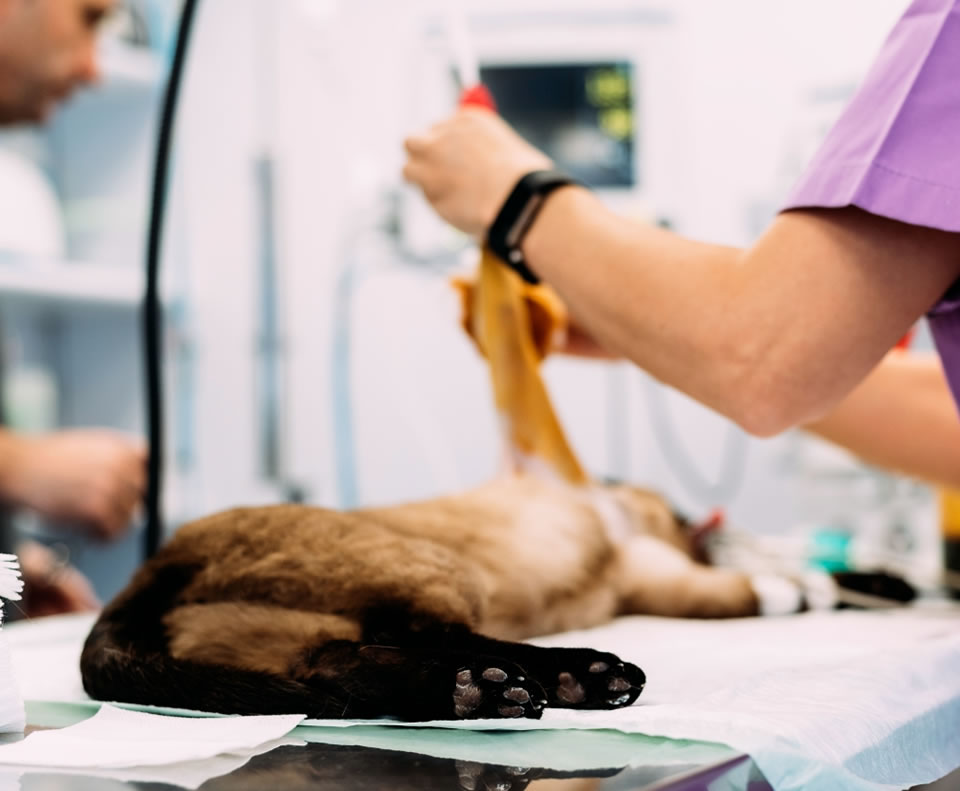
Expand your Veterinary Practice with Radiation Therapy
RADIATION THERAPY FOR ANIMALS
Deliver Effective Radiation Therapy with Value & Ease

Multi-Modality Approach
Radiation after surgery can improve outcomes for cancer treatment.

Cost Effective
Relatively low capital and service expenses compared to linac-based IMRT.

Easy Treatments
Compact and ergonomic systems
simplify treatment workflow.
Use Radiation Therapy in Cancer Treatment
For nearly 30 years, veterinary practices have been using radiation as an important modality to treat cancer and reduce symptoms in companion animals. In certain tumors, the goal of using radiation therapy is to eliminate any cancer cells that may remain following surgery. Radiation therapy is typically used in conjunction with chemotherapy, immunotherapy, and other targeted therapies, for both curative and palliative purposes. Although the standard of care is intensity-modulated radiation therapy delivered with a linear accelerator, these treatments are very expensive. Low-energy orthovoltage treatments offer similar outcomes at a fraction of the cost.
Treat Arthritis and Ease Pain
Many animals suffer from arthritis and joint pain – in particular, some estimates suggest up to 20% of dogs experience these conditions and a reduced quality of life. Although there are surgical and pharmaceutical options to treat these conditions, experimental studies have shown that radiation can decrease joint inflammation. One study demonstrated that a single low dose of radiation therapy (10 Gray) may have a short-term benefit in dogs with elbow osteoarthritis. This is similar to the evidence supporting the use of radiation therapy in horses with orthopedic disease.
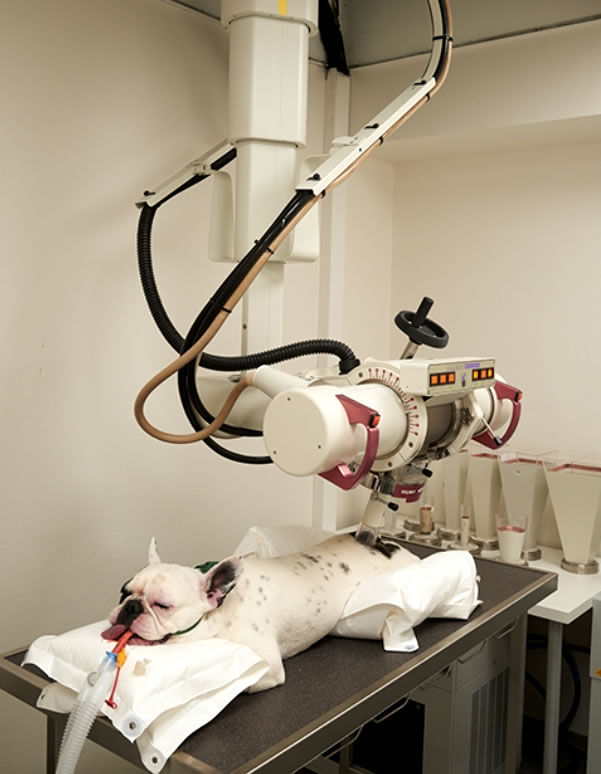
Xstrahl 300 at Eiffelvet in France
Xstrahl in Action in Veterinary Medicine
Additional Publications
See what’s new in veterinary care

Frequently Asked Questions
Can radiation therapy be used to treat cancer in companion animals?
Yes. Orthovoltage radiation therapy has been used in veterinary oncology for nearly 30 years to treat cancer in companion animals, both as a standalone modality and in conjunction with surgery, chemotherapy, and immunotherapy. It is indicated for both curative and palliative purposes.
How does orthovoltage radiation therapy compare to linear accelerator-based IMRT in veterinary oncology?
While intensity-modulated radiation therapy (IMRT) delivered via linear accelerator is the current standard of care, it carries significantly higher capital and operational costs. Low-energy orthovoltage radiation therapy offers comparable outcomes for appropriate indications at a substantially lower cost, making it accessible to a broader range of veterinary practices.
Can radiation therapy be used to treat arthritis and joint pain in dogs?
Clinical evidence suggests that low-dose radiation therapy can reduce joint inflammation and provide short-term pain relief in dogs with osteoarthritis. One study demonstrated measurable benefit following a single 10 Gray dose in dogs with elbow osteoarthritis, consistent with evidence supporting radiation use in equine orthopedic disease.
What types of veterinary cancer and conditions can Xstrahl systems treat?
Xstrahl orthovoltage systems are used in veterinary practice to treat residual cancer cells following surgery, pituitary tumors, and painful degenerative joint conditions such as arthroses. The compact, ergonomic design of Xstrahl systems simplifies treatment workflow in a veterinary clinical setting.
Is orthovoltage radiation therapy a cost-effective option for veterinary practices looking to offer radiation treatment?
Yes. Compared to linac-based systems, Xstrahl orthovoltage platforms require relatively low capital investment and ongoing service costs, making radiation therapy a viable and economically practical addition to veterinary oncology and rehabilitation practices.
Contact Us